
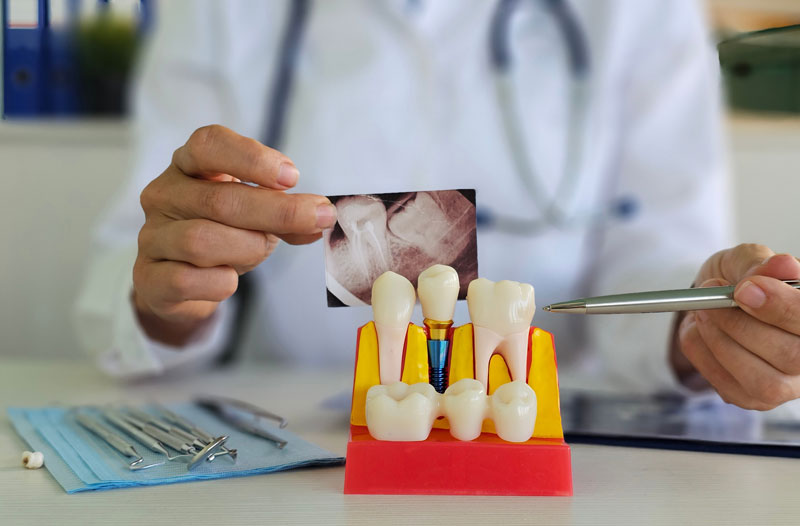
Dental implant replacement is a tailored solution for those needing to restore the function and appearance of their dental implants. Although similar in nature to the initial implant installation, replacement involves a unique set of considerations. Common reasons for requiring a dental implant replacement may include damage to the existing implant, wear and tear over time, or a shift in the surrounding bone or tissue. In contrast to the initial installation, replacement primarily focuses on correcting specific issues with the current implant setup. This process ensures that your smile remains structurally sound and aesthetically pleasing. By comprehending these nuances, dental patients can better prepare for the journey towards renewed oral health and confidence.
Distinct from initial installations, dental implant replacements address prior complications directly while adapting to changes in oral health. Patients often seek replacements when the integrity of their original implant diminishes. Whether due to infection, fracture, or bone loss, solutions are crafted to meet individual needs. Each replacement requires a personalized approach, guaranteeing a precise treatment tailored to the unique circumstances of each patient. This attention to detail and the strategic planning involved form the bedrock of successful dental restorations. As such, understanding the necessity and mechanisms of dental implant replacements can empower you to take the next steps confidently.
Identifying Signs for Dental Implant Replacement
Being attuned to warning signs can aid in determining when a dental implant replacement is needed. Often, discomfort or notable changes in the mouth signal underlying issues with the implant. Persistent pain, instability, or changes in the surrounding gum tissue may suggest that a visit to your dental professional is warranted. It’s crucial to address these early symptoms to mitigate further complications. Recognizing these signs means that timely interventions can safeguard your oral health and prevent escalation of problems that might result in additional procedures.
Underlying causes for the need for replacement can be diverse, ranging from general wear and trauma to biological rejection. Conditions like bone resorption or bacterial infections can compromise the implant’s success, highlighting the importance of regular check-ups. These check-ups allow for early detection and appropriate response to any adverse developments in oral health. By acting promptly upon identifying signs of compromise, dental patients can maintain their oral health effectively. Recognizing the symptoms and understanding the causes is the first step toward maintaining a brilliant and functional smile.
Steps for a Seamless Dental Implant Replacement
Embarking on a dental implant replacement journey involves several crucial steps, each tailored to ensure the best outcomes. The process begins with a comprehensive evaluation, assessing the existing implant’s condition and the overall oral health landscape. This step is critical for planning an effective strategy, tailored to the patient