Everything You Need To Know About Teeth Implantation (Dental Implants)

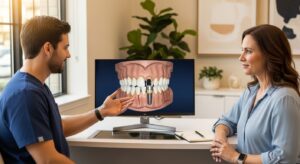
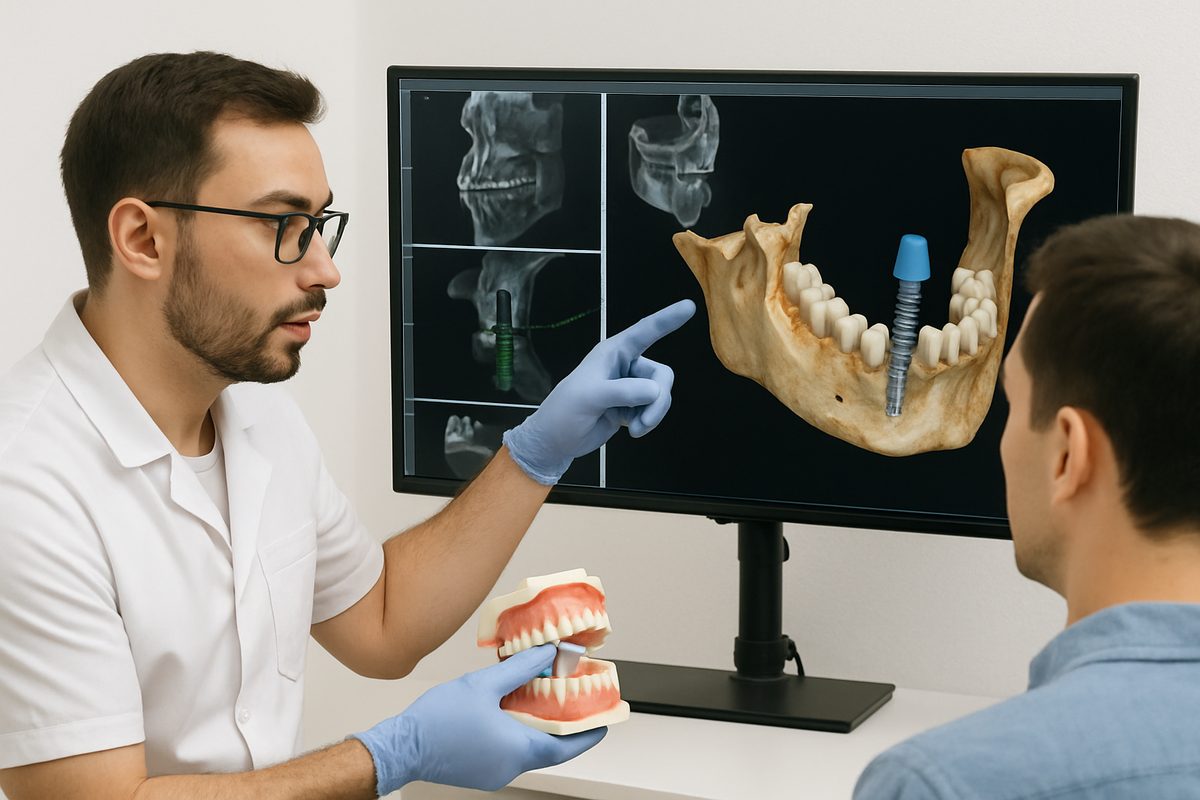
Image of a dentist explaining the teeth implantation process to a patient using a digital screen displaying 3D scans of the patient's jaw and potential implant placement. No text on image.

Teeth implantation is the process of replacing missing or damaged teeth with artificial roots (implants) and restorations like crowns or bridges. People choose teeth implantation to chew better, speak more clearly, prevent bone loss, and improve how their smile looks. This short guide explains who is a good candidate, the main implant options, what to expect during treatment, benefits and risks, cost factors, and how a modern implant practice can help with planning and care.

Who is a good candidate for teeth implantation?

Most adults who are missing one or more teeth and are reasonably healthy are candidates for teeth implantation. Common reasons include a lost tooth from injury, broken roots that can’t be saved, or failing bridges. Good candidates have healthy gums and enough jawbone. Younger patients whose jaws are still growing may need to wait. If bone is thin or missing, bone grafting or sinus lifts may be needed before implants can be placed.

Types of teeth implantation options

Single-tooth implants

A single implant replaces one tooth with an implant post and a crown. This preserves adjacent teeth because it doesn’t require altering neighboring teeth like a traditional bridge.

Implant-supported bridges

For several missing teeth in a row, implant-supported bridges use fewer implants to hold a multi-tooth restoration. This is a strong, long-lasting solution when multiple adjacent teeth are missing.

Full-arch solutions (All-on-4 / All-on-X)

Full-arch options replace an entire upper or lower set of teeth using four or more strategically placed implants. These are recommended for patients who need full-mouth restoration and want fixed teeth rather than dentures.

Mini implants and immediate-load options

Mini implants are smaller and less invasive and can stabilize dentures. Immediate-load or “same-day” implants allow temporary teeth the same day as placement in select cases, but they require careful planning and stronger bone.

What to expect during the teeth implantation process

Consultation and digital planning

Your first visit includes an exam, X-rays, and 3D scans. Modern practices use CBCT imaging, iTero digital scans, and intraoral photos to plan precise implant positions and predict outcomes.

Surgery and healing (osseointegration)

Implant surgery is usually done with local anesthesia and sedation if needed. Expect some swelling and mild discomfort for a few days. Over 3–6 months the implant bonds with the bone (osseointegration), creating a solid foundation.

Final restoration and follow-up

After healing, a custom crown, bridge, or denture is attached. Regular follow-up visits check healing, bite, and hygiene. Good home care and professional cleanings keep implants healthy.

Benefits, risks, and recovery timeline

Benefits include stable chewing, improved speech, bone preservation, and a natural look. Risks are infection, implant failure, and rare nerve or sinus issues. Recovery milestones: first week—manage swelling and pain; 1–3 months—soft tissues heal; 3–6 months—full bone integration for final restoration.

Cost factors and payment options for teeth implantation

Costs vary by number of implants, need for bone grafts, type of final restoration, lab fees, and provider experience. Insurance may cover parts but often not full implant costs. Many practices offer financing, in-house payment plans, or third-party lending to make treatment more affordable.

Why choose a modern implant practice

A modern implant practice improves accuracy and comfort with digital tools like CBCT, iTero scanning, and in-house 3D printing for surgical guides and temporary teeth. Signature Smiles Dental Group and Dr. David Shirinian provide experienced implant care using these technologies to plan and place implants predictably and comfortably.

Next steps / Call to action

If you’re considering teeth implantation in Pasadena, CA, schedule a consultation to review your X-rays, bone health, and options. A short visit can determine if implants are right for you and outline a personalized plan. Contact the office to book your evaluation and take the first step toward a stronger, more confident smile.

Share:

More Posts

Judgment-Free, High-Quality Dentistry is Possible

Experience it for yourself!