
Fine lines, facial tension, jaw pain, and headaches may seem like separate concerns, but they can often be connected. When the jaw muscles are overworked from clenching, grinding, stress, or bite-related issues, the effects can show up not only as discomfort but also as visible tension around the face. For many patients, temporomandibular joint disorders, commonly called TMJ or TMD, can affect daily comfort, sleep quality, chewing, and even the way the lower face looks and feels.
At Signature Smiles Dental Group, led by Dr. David Shirinian, we help patients in Pasadena, Burbank, and Glendale, CA better understand the connection between jaw pain, facial tension, teeth grinding, and oral health. If you have been noticing fine lines, soreness in the jaw, morning headaches, or clicking and popping when you open your mouth, it may be time to schedule a professional evaluation.
Understanding TMJ and Jaw Pain
The temporomandibular joints are the small joints on each side of your face that connect your jawbone to your skull. These joints help you open and close your mouth, chew, speak, yawn, and move your jaw side to side. When the joint, surrounding muscles, or bite relationship becomes irritated or strained, patients may experience symptoms known as temporomandibular disorders, or TMD.
TMJ-related discomfort can include jaw pain, facial soreness, headaches, ear-area discomfort, difficulty chewing, clicking or popping sounds, and limited jaw movement. The National Institute of Dental and Craniofacial Research explains that TMDs are a group of conditions that cause pain and dysfunction in the jaw joint and the muscles that control jaw movement.
Common contributing factors may include teeth grinding, clenching, stress, jaw injury, arthritis, bite imbalance, or muscle tension. In some cases, the exact cause is not obvious, which is why a dental evaluation is important.
How Teeth Grinding and Clenching Can Affect Fine Lines
Many patients are surprised to learn that jaw tension can affect the appearance of the face. When you clench or grind your teeth regularly, the muscles around the jaw, mouth, chin, and lower face can become overactive. Over time, this tension may contribute to a more strained facial expression, tightness around the mouth, and the appearance of fine lines.
Fine lines can form for many reasons, including aging, sun exposure, dehydration, facial expressions, and skin changes. However, repeated muscle tension from clenching may make certain areas look more tired or tense. Patients who grind their teeth at night may also wake up with jaw soreness, facial fatigue, or a tight feeling around the cheeks and temples.
Bruxism, or teeth grinding and clenching, can also wear down the teeth, stress the jaw muscles, and contribute to TMJ-related discomfort. The American Dental Association notes that teeth grinding may be linked to stress, anxiety, sleep disorders, missing or crooked teeth, or teeth that do not line up properly.
Signs You May Have TMJ or Bruxism
Because TMJ symptoms can overlap with other issues, many people do not realize their jaw may be part of the problem. You may benefit from a TMJ or bruxism evaluation if you notice:
- Jaw pain or soreness
- Clicking, popping, or grinding sounds in the jaw
- Headaches, especially in the morning
- Facial tension or tightness
- Worn, chipped, or flattened teeth
- Tooth sensitivity without an obvious cavity
- Pain when chewing
- Difficulty opening your mouth fully
- Ear-area discomfort without an ear infection
- Tired jaw muscles after waking up
These symptoms do not always mean you have a serious jaw disorder, but they are worth discussing with a dental professional, especially if they are frequent, painful, or getting worse.
Why TMJ Treatment Matters for Oral Health
TMJ concerns are not only about pain. If clenching and grinding are involved, your teeth may be under extra pressure every night. Over time, this can contribute to enamel wear, cracks, chips, gum irritation, tooth sensitivity, and changes in the bite.
When the jaw muscles are constantly tense, it can also affect your comfort during everyday activities like chewing, speaking, and smiling. Some patients begin avoiding certain foods or notice that their jaw feels tired more quickly. Addressing jaw pain early can help protect your teeth, improve comfort, and reduce strain on the surrounding muscles.
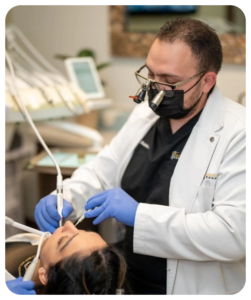
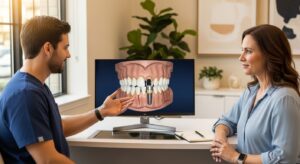
At Signature Smiles Dental Group, we take a comprehensive approach by evaluating the teeth, bite, jaw joints, facial muscles, and signs of grinding or clenching. This helps us better understand what may be contributing to your symptoms and what treatment options may be appropriate.
Treatment Options for Jaw Pain and TMJ Symptoms
Treatment for TMJ-related jaw pain depends on the cause and severity of the symptoms. In many cases, conservative options are recommended first. Mayo Clinic notes that TMJ disorder care may include self-care, pain management, medical therapies, oral splints or mouth guards, and other treatments depending on the patient’s needs.
A customized dental night guard may be recommended for patients who grind or clench their teeth. Unlike over-the-counter guards, a professionally made appliance is designed to fit your bite more precisely and help reduce excess pressure on the teeth and jaw.
Other supportive steps may include jaw relaxation habits, avoiding gum chewing, eating softer foods during flare-ups, stress management, warm compresses, and posture awareness. In some cases, collaboration with other healthcare providers may be helpful, especially if symptoms involve chronic headaches, neck pain, sleep concerns, or severe jaw dysfunction.
The Connection Between Comfort, Confidence, and Appearance
When your jaw feels relaxed, your entire face can appear more comfortable and refreshed. Reducing clenching, grinding, and muscle tension may help patients feel less facial tightness and improve their overall sense of comfort. While TMJ treatment is not a cosmetic wrinkle treatment, addressing jaw tension can support a healthier, more relaxed facial appearance.
For patients concerned about fine lines, jaw discomfort, and dental wear, the best first step is identifying whether grinding, clenching, or bite strain is contributing to the issue. A dental evaluation can help determine whether your symptoms are cosmetic, functional, muscular, or a combination of factors.
When to Contact Signature Smiles Dental Group
If you are experiencing fine lines around the mouth, jaw pain, facial tension, headaches, or signs of teeth grinding, schedule a consultation with Signature Smiles Dental Group in Pasadena. Dr. David Shirinian and our team provide personalized dental care for patients throughout Pasadena, Burbank, Glendale, and nearby communities.
Jaw pain and TMJ symptoms can affect your comfort, oral health, and quality of life. With the right evaluation and a personalized treatment plan, you can take the next step toward a healthier smile, a more relaxed jaw, and greater daily comfort.
Contact Signature Smiles Dental Group today to schedule your TMJ and jaw pain consultation.