Many people ask, “How do fake teeth stay in?” Whether you’re thinking about dentures, bridges, or implants, the answer depends on the type of replacement and how it attaches to your mouth.
This post gives a simple rundown of the main options, what affects stability, and when to see a dentist for adjustments or a better long-term solution.
Common Types of “Fake Teeth”
Removable full dentures
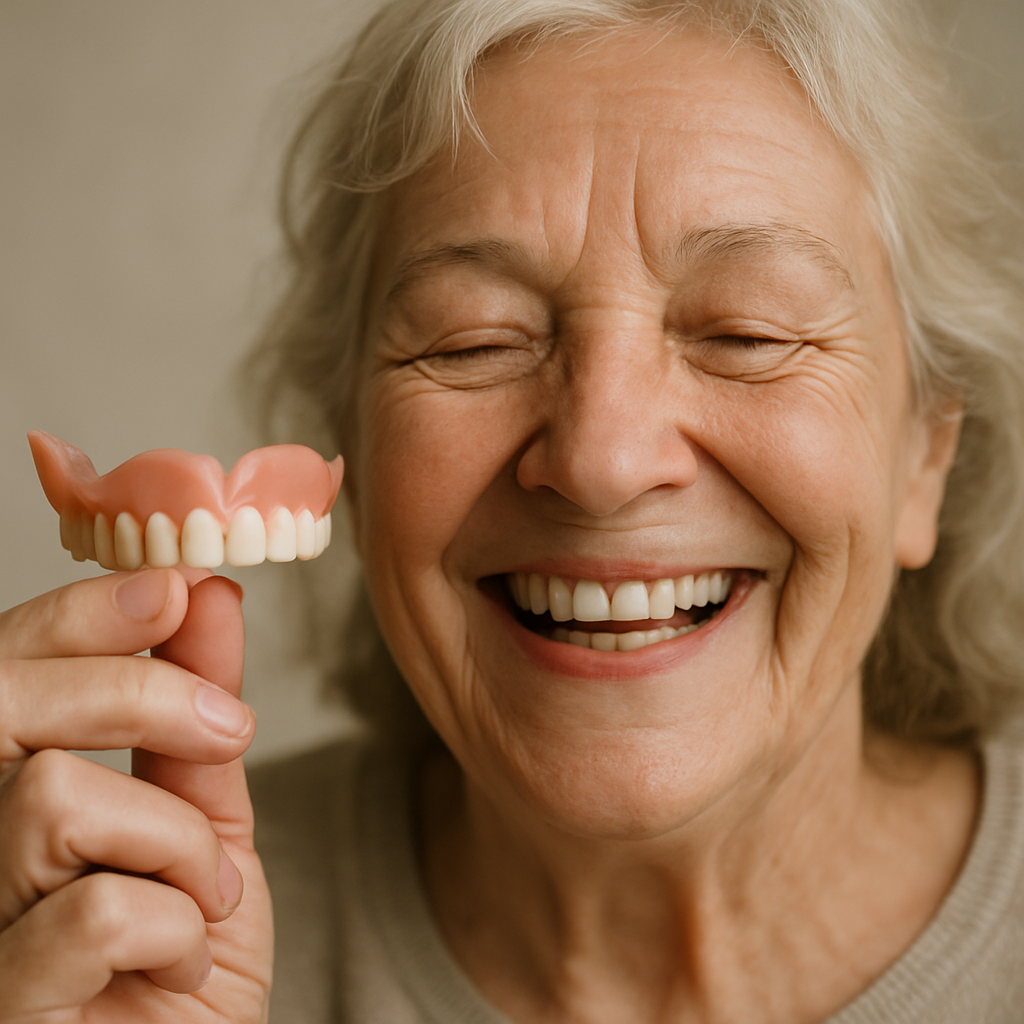
Full upper or lower dentures rest on the gums and jaw ridge. Upper dentures often use suction against the roof of the mouth; lower dentures rely more on fit and the shape of the jaw. Denture adhesive can help, but a good fit is key to comfort and function.
Partial dentures
Partials replace one or several teeth and usually have metal or acrylic clasps that attach to nearby natural teeth. These clasps help hold the partial in place while letting you remove it for cleaning.
Fixed dental bridges
Bridges replace missing teeth by anchoring a false tooth to the adjacent natural teeth. The anchor teeth are shaped, and the bridge is cemented in place, so the restoration is fixed and doesn’t come out during normal use.
Dental implants and implant-supported teeth
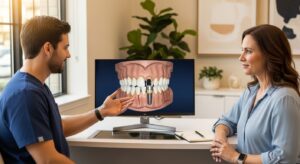
Implants are metal posts placed in the jawbone that act like tooth roots. Once healed, they hold crowns, bridges, or overdentures. Implant-supported restorations can be fixed (cemented or screwed) or removable (snap-on overdentures) for added stability.
How Do Fake Teeth Stay In? The Main Attachment Methods
Suction and fit
Well-shaped dentures make close contact with your gums and palate. This close fit creates suction that helps hold the denture in place—especially for upper dentures.
Adhesives and liners
Over-the-counter adhesives add grip when suction isn’t enough. Relines or soft liners, performed by a dentist, reshape the denture base to fit better if the jaw has changed over time.
Clasps, precision attachments, and cement
Partials use clasps or precision attachments to hook onto teeth. Bridges are bonded with dental cement or resin, creating a stable, non-removable restoration.
Implant connections: screws, cement, and attachments
Implant crowns may be screwed in or cemented. Overdentures use locator or bar attachments that snap onto implants, giving strong retention while allowing removal for cleaning.
What Affects How Well Fake Teeth Stay In
Jawbone volume, gum shape, saliva, and how many teeth or implants you have matter a lot. Poor bone or uneven gums make retention harder. The quality of dental work and precise impressions also affect comfort and stability.
Pros and Cons of Each Retention Method
Removable options are less invasive and lower cost, but may shift while eating or speaking. Bridges are stable but rely on neighboring teeth. Implants offer the best stability and chewing strength but require surgery, healing time, and a higher upfront cost.
Care, Maintenance, and Longevity
Daily cleaning prevents odor and infections. Removable sets need soaking and brushing; fixed bridges and implant crowns need regular flossing. Dentures may need relines every few years. Regular dental checkups keep restorations working well longer.
When To See A Dentist
Visit your dentist if dentures slip constantly, chewing hurts, sores form, or speech changes. Early evaluation can often resolve fit issues or recommend a stronger solution, such as implants.
About Signature Smiles and Why Advanced Planning Matters
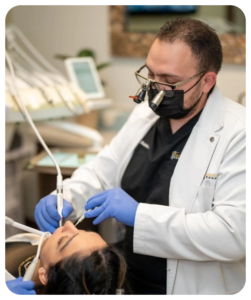
Signature Smiles Dental Group uses CBCT imaging, iTero digital scans, and in-house 3D printing to plan implants and craft precise restorations that stay secure and feel natural. Dr. David Shirinian, a USC-trained dentist with implant fellowships, focuses on predictable results and patient comfort. If you’re wondering which option is best for you, Signature Smiles offers consultations and financing to help you choose a lasting solution.