Many adults assume Invisalign is only for visibly crooked teeth. If you are researching Invisalign in Pasadena and wondering whether your concerns count, the honest answer is that clear aligners may help with more than most people expect. Spacing, certain bite concerns, and general alignment can all be part of the conversation. At Signature Smiles Dental Group, we hear this question often from neighbors in Pasadena and Burbank who are weighing a meaningful investment in their smile, so we want to explain it plainly and without pressure.
What clear aligners are and how teeth move
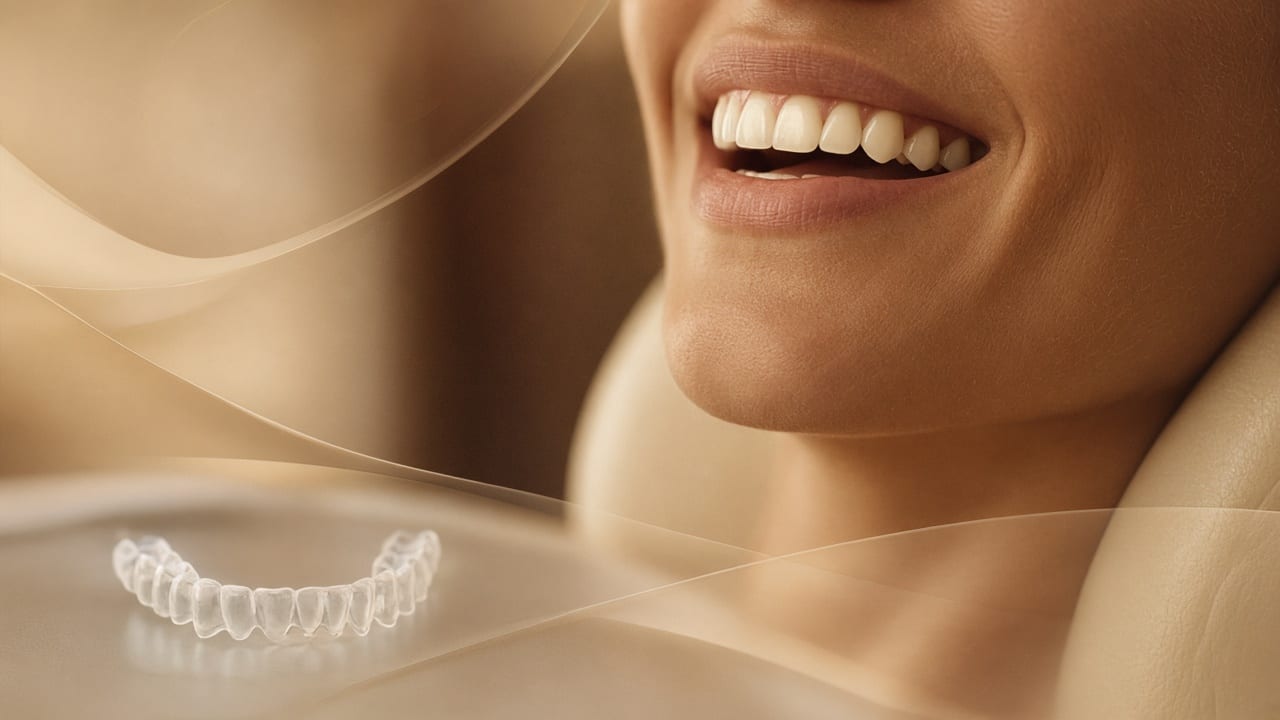
Clear aligners are removable, custom-made trays that apply gentle, controlled pressure to guide teeth toward new positions over time. The principle is the same one behind traditional braces. Teeth sit in the jaw supported by bone and surrounding tissue, and with steady, light force that tissue gradually remodels so teeth can shift. The American Dental Association's MouthHealthy guide to braces describes how orthodontic treatment works and why teeth that fit together well can be easier to keep clean and more comfortable to use.
What matters for you is how those general principles apply to your own mouth, and that is something only an in-person evaluation can answer.
What Invisalign may help address at our Pasadena office
People searching for Invisalign Pasadena often arrive with one visible concern, but orthodontic care more broadly addresses alignment, spacing, and how the teeth fit together. The American Association of Orthodontists is a good place to read general, patient-friendly information about orthodontic options, including clear aligners, and to understand what orthodontic treatment is meant to address. Here are the common concerns patients bring to our office. In each case, the word that matters is may. Clear aligners can be a good option for some people and not the right tool for others.
Crowding and alignment
Crowding, where teeth overlap or twist because there is not enough room, is the concern most people associate with aligners. Mild to moderate crowding is what many patients picture, and it is a common reason people ask about treatment. More complex crowding may need a different approach or a combination of treatments, which we would discuss openly.
Gaps and spacing
Spacing between teeth is another frequent reason patients come to see us. Gaps can be present since childhood, or they can develop later as teeth shift. Aligners may help close or redistribute space, depending on the cause. Sometimes a gap reflects something else, such as a habit, the size of the teeth, or the health of the gums, and that is worth understanding before any plan is made.
Certain bite concerns
This is the part many people do not know about. Depending on the case, aligners may help with some bite concerns, such as teeth that do not meet evenly when you close your mouth. Bite relationships can be complicated, because they involve the teeth, the jaw joints, and the muscles together. If you have jaw discomfort, clenching, or worn teeth, tell us at your visit. The National Institute of Dental and Craniofacial Research provides background on temporomandibular disorders. If you have those symptoms, those details change how we plan your care.
Honest limits
Aligners are not the answer to everything. Significant jaw-position differences, certain tooth rotations, missing teeth, or teeth with extensive restorations may call for other care alongside aligners. We would rather tell you that at the start than let you discover it midway. A good provider should be equally candid with you.
Why every smile is different
Two people can describe the same concern, such as a gap in the front teeth, and need completely different plans. When Dr. Shirinian evaluates a smile, several factors come into play:
- Gum and bone health. Teeth move through supporting bone, so the health of that foundation matters. The NIDCR's overview of gum disease explains how it affects the tissues that hold teeth in place, which is why it is typically addressed before teeth are moved.
- Existing dental work. Crowns, bridges, implants, and large fillings behave differently from natural teeth. Implants, for example, do not move the way natural teeth do, which affects planning.
- Bite and jaw function. How your teeth meet, and how your jaw feels at rest and in motion, shape what is realistic.
- Your goals. Some patients want subtle refinement. Others want a broader change in how their smile looks.
Because of this, aligners are sometimes one part of a larger plan. Some patients move on to porcelain veneers, professional whitening, or crowns to refine shape and color after their teeth are aligned. Others who are missing teeth may be better served by dental implants or a full mouth reconstruction approach. Our concierge-level approach means we look at the whole picture instead of a single concern.
What a professional evaluation involves
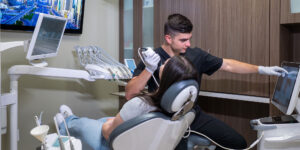
At a consultation at our Pasadena office, we listen first. We ask what you notice, what bothers you, and what you hope to change. We examine your teeth, gums, and bite, and we review your dental history, including any previous orthodontic work. Dr. Shirinian then explains what he sees in plain language: which options may fit, which may not, and why. You leave knowing where you stand, whether or not you decide to move forward. You can read more about Dr. David Shirinian and his training before you visit.
Good questions to ask any provider
Whether you choose our practice or another, these questions can help you feel confident:
- How much experience does the provider have with clear aligner care, and with cases like mine?
- What is the expected timeline, and what could make it longer or shorter?
- What are the retainer expectations after treatment, and what do they cost?
- What does the total cost include, and what could add to it?
- What happens if the plan needs to change partway through?
A thoughtful provider will welcome these questions.
Fitting aligners into real life in Pasadena and Burbank
Most of our patients are busy. Some commute along the 134, and others work around the Burbank studios or juggle school and family schedules. Because aligners are removable and discreet, many people find them easier to fit into a professional life than they expected. A patient might take them out for a lunch meeting in Old Pasadena, then put them back in afterward. The daily commitment is real, though. Aligners work best when worn as directed, so it is worth asking yourself honestly whether the routine suits your life.
We do not promise specific timelines, because they vary from person to person. If you have an event or a new-year goal in mind, it helps to book an evaluation early so we can see what is realistic and you can decide without feeling rushed. We see patients at our Pasadena and Burbank offices, and our sister office in Glendale is another option for people who live closer to it.
Cost, insurance, and financing
The price of clear aligner care depends on how complex the case is, how long treatment is expected to take, whether other dental work is needed first, and what retainers or follow-up visits are involved. Dental insurance plans differ in what they cover for orthodontic care, and some have age or lifetime limits, so it is worth checking your own plan.
Our team can help you understand your benefits and explore payment options. You can read more on our insurance and financing page, and we are happy to go over specifics at your visit. We will give you a clear picture of costs before you commit to anything.
Next steps for Invisalign in Pasadena
If you are still deciding, start by looking up Signature Smiles Dental Group on Google Maps, Apple Maps, or Yelp, where you can find directions to our Pasadena office on East Colorado Boulevard and our Burbank office on North Glenoaks Boulevard. Many of our neighbors check Yelp as closely as Google when choosing a dentist, so we encourage you to read patient reviews on both Yelp and our Google Business Profile and judge for yourself whether we feel like the right fit.
When you are ready, schedule a consultation and we will take the time to listen, explain, and make the visit comfortable.
Frequently asked questions
Can Invisalign help if my teeth are not crooked?
Possibly. Clear aligners may help with spacing, certain bite concerns, and alignment issues that are not obvious crookedness. Whether they are right for you depends on your teeth, gums, bite, and goals, which is why we recommend a professional evaluation first.
Is Invisalign available near Pasadena for patients who live in Burbank or Glendale?
Yes. Our Pasadena office on East Colorado Boulevard and our Burbank office on North Glenoaks Boulevard both serve patients, and many people come from Glendale, South Pasadena, Altadena, and Eagle Rock. Tell us which location is easier for your commute and we will work with you on scheduling.
Will I need other dental care in addition to aligners?
Sometimes. Gum health, existing restorations, or missing teeth can affect the plan, and some patients choose to add whitening, veneers, or crowns for a more complete result. We will explain what we recommend and why, so the decision stays yours.
If you have questions about whether clear aligners fit your smile, we would be glad to help. Contact our team to arrange an evaluation at our Pasadena or Burbank office, and we will guide you through your options with the care and attention you deserve.